Showing posts with label Food. Show all posts

Monday, 3 January 2011

Our Best Eats - Bolivia & Peru

Part of me was dreading Bolivian food. We hadn't heard a single good thing about it. We'd been told that it was boring, uninspiring, and likely to make you seriously ill. Even Lonely Planet had little good to say. So it was with great apprehension that we ordered our first Bolivian meal, at a restaurant in the middle of nowhere in Tupiza, and with caution that we raised our forks to our mouths.

Well, what can I say? There must be something seriously wrong with all those other travellers – with their taste buds, digestive systems and their attitude to food in general. Bolivian food was fantastic – I'd go as far as to put it in my Top 3 (along with India & Thailand). We ate the majority of our meals in markets and from street stalls, and got the chance to try so many new things, each one as delicious as the last. And so cheap too! So many people stay well clear of market food for fear of becoming ill. These people are seriously missing out.

La Chacra – this was our first proper meal in Bolivia, in a little town called Tupiza. La Chacra is a restaurant that opens only on Sundays to serve good, cheap, traditional Bolivian food. People come from miles around to eat there. Karl had chicken and cow tongue in a spicy sauce, served with potatoes, chunos (little black potatoes) and salad. I had barbecued goat, potatoes and white beans. The food was spectacular. I honestly couldn't have asked for a better introduction to Bolivian food.

Pollo Picante – This is chicken in a South American-style curry sauce. It wasn't spicy, but it was incredibly flavourful. We had it at a little stall outside the train station in Tupiza, and it cost about 3pounds.


Api – This is a hot breakfast drink made from purple maize and flavoured with lemon, sugar and cinnamon. Tastes like Christmas in a mug.

Buñuelos – Eaten with api, buñuelos are deep-fried, doughnut-like pastries drizzled with syrup. Not the healthiest breakfast, I know, but so so good.


Fried trout – Apparently Lake Titicaca is known for its trout. We had some at a restaurant by the waterfront, which was pretty nice. But the next day we decided to give the market version a try, and it was a million times better. She battered and fried it in front of us, and served it up with rice, homemade chips, salad and chilli sauce.


Fruit boat – A healthy dessert. Yummy fresh fruit (watermelon, mango, pineapple, papaya, kiwi & strawberry), covered in fruit yoghurt, with a squirt of fresh cream and a sprinkling of coconut. Oh, and a cherry on top, of course.

Jelly desserts – Less healthy desserts, these are basically jellies that taste like sweets. The yellow and brown one tastes like custard and chcocolate. The dark traffic light one is strawberry and bubblegum, and the light traffic light one is sort of sherbet flavoured.


Salteñas – These aren't too disimilar to the empanadas we'd had in Chile and Argentina. Pastries filled with meat and vegetables. Great snack, especially with chilli sauce and a glass of Coke.


Chorizo sandwiches – This is one of the best things we've eaten on our entire trip, we had it at the market in Sucre three mornings in a row, even though it gave us the most awful garlic burps for hours afterwards. Super-fresh chorizo, fried up and served in a bun with salad, pickled red onions, fresh chillies and mayonnaise. They even dip the bread in the chorizo juices first. It was savoury, tangy and spicy, absolutely incredible. My mouth waters just looking at the photo again. It cost 2pounds for two! Why can't we get food like this in England?


Hot market drinks – Chorizo sandwiches were followed up by mysterious hot drinks at another stall. It was almost like watching an alchemist, with the lady mixing together different coloured liquids and syrups and powders (we still don't know what any of them were) to create unusual but delicious hot drinks.


Fried potato cakes – Another breakfast dish, these were being fried up and served at a road-side stall in Uyuni. There was a round one with an egg in the middle, and a flat one which was potato, frankfurter sausage and vegetables. You get one of each on a plate with some shredded salad and chilli sauce.

Peach juice - In some Bolivian markets they have drinks stalls selling all manner of fruit juices. One of the best was the peach juice, which isn't actually fresh peach but tinned. The juice itself is a sweet and refreshing peach nectar, and at the bottom is half a tinned peach. It's absolutely delicious (unless you don't like tinned peaches).


Peru

We didn't get to try quite as many amazing new dishes in Peru, but I think that's mainly because we were in much more touristy towns like Cusco (near Machu Picchu) and Lima (the capital). There weren't as many markets and street stalls, and most of our meals were eaten in touristy restaurants. The food in these places was still really good, just not quite as exciting. If we'd had more time to explore, I'm sure we'd have found plenty of delicious treats.

Ceviche – Ceviche is raw fish and seafood marinated in citrus juices, usually with flavourings like coriander and fresh chilli. The acidity from the juices starts to cook the fish, but it's only added just before serving so that it doesn't cook too much. We had ceviche in a few different places, and it was always amazing. In Peru they serve it with dried corn kernels, sweet potato and lettuce. If you're not afraid of raw fish, I'd definitely recommend this. In my opinion, it's even better than sushi.


Punto Azul – Ok, so this is actually ceviche again, just somewhere different. We read about a restaurant called Punto Azul in Lima and decided to try it out. Turns out it's really really popular, and we ended up waiting almost an hour and a half to be seated. I don't think I've ever bothered to wait that long for food, but this was definitely worth it, and not just because portions were big enough to take leftovers home for dinner! Karl ordered their special ceviche, which comes covered in a tangy red sauce. I had a hot dish of seafood cooked in a tomato and cheese sauce – it's not the sort of thing I'd normally go for but it was amazing.


Sushi – Even though it's not quite as good as ceviche, I'll still always love sushi. Lima's right by the coast, so the seafood is really fresh, and it just made sense to make the most of this and splash out on some sushi. It was one of our last dinners abroad, so we treated ourselves to a big sharing platter and stuffed ourselves. We overate and went home feeling like we could quite happily never eat seafood again. Less than 24-hours later we were craving ceviche again.


Chicha – We had this to drink with our meal at Punto Azul. Before we went, people had recommended drinking beer with ceviche. But when we got there, everyone seemed to be drinking a strange, dark purple drink. Naturally we joined in and ordered a big jug. Turns out it's quite like a cold version of that api drink we had for breakfast in Bolivia. It's really refreshing with ice.

Juice of quinoa, maize, apple and pineapple – We first tried this hot breakfast drink at a stall in Bolivia, but the best version we had was in Peru. It's the colour of cloudy apple juice, and quite thick and juicy like a smoothie, very filling.


Potato & egg breakfast – Quite a simple meal, served by a woman on a street who has a basket full of boiled potatoes and eggs. She peels both and chops them into a little bowl. You can then add salt and coriander sauce to your liking.

Inka Cola – A luminous yellow fizzy drink with a bubblegum flavour (nothing like Cola really). Wish they had it at home.


Potato and fried cheese – This was a snack that we bought at a bus station on our way from Bolivia to Peru. It was the middle of the afternoon and we hadn't eaten a thing since our early breakfast that morning. This snack comes in a plastic bag, and it's just boiled potatoes and chunos (those black potatoes), and a big flat circle of fried cheese. You get a little bag of chilli and coriander sauce to pour over it. So tasty, especially when you're starving.

Fish & lentils – Another amazing market meal. It was a two-course set meal, cost about 3pound between us. The starter was a tasty potato soup with chunks of delicious fatty pork. The main was fried fish served with lentils, salad, rice and a wedge of lemon.

Oh, and one last thing. We were only in Argentina for five days, so we didn't get the chance to sample much there. But one thing we did try and love was tamales. They are a corn-based snack with a meat, potato and chilli filling. The whole thing is wrapped, steamed and served inside corn husks. Like a delicious little parcel, mmm mmm.


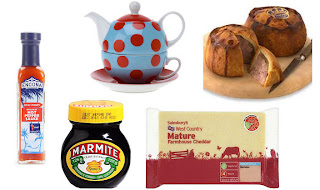
So that brings us to the end of our food adventures. We've had plenty of great food experiences, and some absolutely outstanding ones. We hope you've enjoyed reading about them. After eating our way around three continents, we're now rediscovering the joys of home food. Good cheddar, pork pies, our favourite chilli sauce, proper tea, home-cooked curries, toast with marmite! God, I love food.

Friday, 17 December 2010

Salt

Our Pachamama tour of Chile ended in San Pedro de Atacama, a little town that is quite nice despite the amount of tourists and dust (it's in the desert, after all). Everything is geared towards tourists, and is therefore overpriced and overdone. Still, it was a pleasant place to chill out and sort through the endless photos we'd taken over the past four days.

Once recovered, we hopped on a bus to Salta in Argentina where we were due to meet up with my lovely friend Henrietta, who very handily is practically fluent in Spanish.

The bus journey was long (12 hours) but had spectacular views of the mountains. It was interesting to see the gradual change in scenery from Chile to Argentina, going from huge expanses of dry desert to lush greenery, long tall trees, farms with horses and herds of goats.


Henrietta arrived a day after us. Once again it was great to sit out in the sun with a beer or a glass of wine and chat away merrily with a good friend, hearing about all the goings-on back home, catching up on gossip.

While we would have been happy to do this all day, we decided some cultural and sight-seeing activities were probably in order. We went to the Museo de Arqueologia de Alta Montana (High Mountain Archeology Museum), which has on display a real Incan mummy and a bunch of artefacts that were found with her. It's pretty terrible actually. Basically, a handful of attractive young children would be selected from a village (usually the children of a noble family). They would be taken on a pilgrimage, duped with some sort of sedative, and then abandoned in an underground grave in the Andes as a sacrifice to the gods where they would basically freeze to death. The displays and information booklet were intriguing, and although the mummy was a little spooky, it was kind of hard to imagine it as a real little girl. She was only about seven years old.

We also had a nose around a couple of cathedrals, which were nice enough on the outside but a little gaudily decorated inside. Unfortunately we couldn't take photos as they were in the middle of a service.


Never ones to turn down a ride in a cable car, we decided to go on a little expedition up Cerro San Bernardo, a ginormous hill with great views of the city. For me, cable cars are a little like aeroplanes – they're nice, a good way to get around, but I don't entirely trust that they're not going to fall crashing to the earth. I don't have a phobia, I just have to try not to think too much about the logistics of it all (mainly because it's something I just don't understand).


The views were as good as we'd hoped, and it was interesting to see the grid-structure of streets from high up.


We took a picnic of leftover chilli and guacamole, crusty bread, a huge bottle of beer, crisps and some apples.


Walking through a park on our way home, I was just thinking about what a pleasant afternoon we'd had when I got stung in the face by a wasp. Not just your ordinary variety of wasp either, this was an enormous red and yellow wasp, the size of a bird (practically). It just flew straight into my head, just above my left eye. At first I wasn't sure if I'd been stung or just headbutted, but then it started to hurt so bad it felt like my forehead was on fire.

The pain lasted about half an hour and then gradually went away. By the time I went to bed, I'd almost forgotten that I'd been stung. Until the next morning that is.

I knew something was wrong when I woke up. My head felt funny and I could see part of my own eyelid. I cautiously went to the bathroom, getting some funny looks along the way, and looked in the mirror. The elephant girl looked back. My sting had swollen up overnight. It reminded me of the time I got stung by a wasp on my foot when I was in high school, and it got so swollen that I could barely put on my shoes. Except I didn't mind that so much because it meant I got to miss PE.

This photo doesn't even nearly illustrate how awful I looked

I spent the next two days looking like I'd been punched, before finally waking up on the third morning with my old face back on. It was time to say goodbye to Henrietta, who was heading off to see the rest of Argentina. Meanwhile, we were headed north into Bolivia.

Bolivia has been one of our favourite countries so far. If India and Spain were to collide, Bolivia is what you would get.

Our first stop was a town called Tupiza, where we asked someone in our hotel to recommend somewhere tasty but cheap for lunch and got sent in a taxi to someone's house in the middle of nowhere, surrounded my mountains. It turns out that every Sunday, they transform part of their garden into a restaurant serving local food. The waitress came over and rattled off the names of three dishes that we'd never heard of. We picked one each at random and waited to see what we would get. Ten minutes later she returned with two huge plates piled high with food. I had barbequed goat with potatoes and some unfamiliar white beans. Karl had chicken and tongue in a spicy sauce, with potatoes and salad. Both dishes were incredible. I wish I'd taken my camera with me, but I hadn't anticipated anything quite this good. With stomachs full to bursting, we decided to walk off our lunch with a slow, half hour stroll back into town.

The following evening we were due to catch a train to a town called Uyuni. Before boarding we had dinner at a little stall outside the train station. Again, it was amazing. Pollo picante is chicken in a spicy sauce. It comes served with rice, salad and chunos, which are a little black variety of potato.


On the train they showed that Angelina Jolie film Salt, and served free cheese & ham toasties with a bottle of coke, which was pretty sweet. We arrived shortly after 1am, found a hotel and crashed.

The following day we went on a tour to see yet more salt. Except this time it was the real thing. One of the things Bolivia is best known for (apart from producing cocaine) is the Salar de Uyuni, the world's biggest salt flats. They are 10,582 square kilometers, at an altitude of 3,656 meters, and they supply salt for the the whole country. It's incredible to see, the sparkling whiteness just seems to go on and on forever.


It was almost confusing at times, standing out in the baking heat, surrounded by what looked so much like snow. In some parts, it's even like walking on snow, either slushy in the wet parts, or crunch in the dry parts.


Of course, we took the opportunity to take some more perspective shots:

It's astonishing how much fun you can have with a forknifespoon.

We also visited Fish Island, which is an island of fossilised coral from back when the whole place used to be underwater. The whole thing is covered by a forest of cactus, which again made for some good photos:

Karl and I join in with the cactuses

The llamas nearby seem unimpressed

I guess it's because they have better things to look at. Like this view!

Our tour also included a visit to another train cemetery:


After Uyuni, we went from salty to sweet, taking a never-ending bus journey to the lovely city of Sucre. We did some souvenir shopping, ate some mindblowingly amazing chorizo sandwiches at the market, and went to see the world's largest collection of dinosaur footprints.


They were discovered and excavated around 25 years ago by a cement company, and they actually go vertically up the middle of a hillside, which isn't what I'd been expected. It's because they date back to before the Andes mountains even existed - when the mountains formed, the tracks were pushed upwards. The hillside and tracks are a bit fragile (a huge section has previously crumbled off) so visitors can't actually get very close up. Instead we viewed them from a distance and used those binocular thingies to get a better look.

You see the row of dots running up the hill? Those are dino tracks. From afar.

On the plus side, the tour guide was really good at explaining how the tracks were formed and preserved, and about the geography of South America. Plus, they had this fantasically fun, life-size display of dinosaur models:

One way to get thin.

Look at the tiny arms!

One week later, after a few days in La Paz and Copacabana, we boarded a bus for Peru. We were on our way to see one of our most eagerly anticipated sights on this trip - Machu Picchu!

Monday, 6 December 2010

Our Best Eats – Australia and New Zealand

After six months of ordering every single meal off a menu - breakfast, lunch, dinner and snacks – it was an enormous relief to finally be able to eat home cooked meals. Australia and New Zealand offered great backpacker hostels equipped with big kitchens and communal dining and chill-out spaces, which Asia had completely lacked. From day one, we were able to buy ingredients from proper supermarkets and cook our own food.

We rarely ate out as we often couldn't afford to, but when we did the food was generally pretty good. Like Britain, though, Australia doesn't really have a strong food identity of it's own, and instead everyone cooks and eats quite multiculturally. Supermarkets have a huge variety of spices and 'exotic' ingredients, and there are restaurants from every corner of the world.

Without a doubt, the best food we had was during the two work exchanges we did. It wasn't just that it was great to be eating home cooked food, the meals themselves were absolutely delicious, very varied, and made from home-grown produce.

So the list below of our best food experiences is a mixed bag. It included food we bought, food cooked for us, and food we cooked ourselves. I have to say, over the two months that we spent in this part of the world, we really ate very well!


Pie – Australia does good pie. It's different from the pie we get at home. Here, they eat it more as a snack food, something to grab on the go, and it has been designed with this in mind. The filling has lots of thick gravy that oozes out a bit when you take a bite, but not so much that it starts to escape the pie altogether. We had a lot of pie in Australia, and whether the pastry was thick and crisp or thinner and flaky, it was always delicious.


The best ones we had were at Tommo's Pies in Darwin (they do a great chilli steak pie, with big bits of chilli) and at the bakery in Glenreagh where we did our work exchange (Karl had steak and green peppercorn, I had cheese & bacon.Both brilliant). We also popped in to the renowned Harry's Cafe de Wheels in Sydney for one last pie experience before we moved on to New Zealand.


Fish & Chips – Almost as good as back home. In terms of the fish, it probably was better than home, actually. I had some good barramundi, with lovely soft, chunky white meat. Their chips aren't bad either, and they even have vinegar in their chippies! (Although they don't call them 'chippies' over there). You get a big wedge of lemon too, which is a great, posh addition.

Homemade paneer – Annie's homemade paneer is delicious, and I used some of it to make some spinach & panneer curry, which we ate with lentils and chappatis.

Masala dosas – Annie and I had a go at making our first ever batch of masala dosas, which were extremely successful.


Bundaberg Gingerbeer – The perfect drink to have with your pie. The same brand also does a tasty lemon & lime bitters drink.

Enjoying a few bottles of Bundaberg with lunch (pie!)

Strawberry cheesecake – Made by Annie, for Karl. Lucky bugger.


Campfire food – Delicious stews (one bean stew, one lamb stew), plus corn on the cob, and Lynney's fab spinach & cheese pie.

How awesome is this set up?
I definitely intend to have one in my garden when I'm grown up.

Apple turnovers – Hanks Bakery in Glenreagh does the best turnovers. Crisp and flaky pastry, big chunks of apple that still tasty slighty tart, loads of fresh whipped cream, and a generous dusting of icing sugar (enough to make you choke a bit if you accidently inhale a little before taking a bite).

Getting stuck in, no messing about

Burgers, Aussie-style – In Australia, apparently no burger is complete without a big slice of beetroot and an even bigger slice of tinned pineapple. The beetroot is pretty good, but not essential in my opinion. The pineapple on the other hand is incredible. We had them at Rick & Annie's, and also made them ourselves whilst camping at Woolgoolga.


Lamb chops – One of our first camping meals. BBQ'd lamb chops, served with a bean, feta, red onion and tomato salad. And a good squeeze of lemon.


ANZAC cookies – Australia, New Zealand Army Corps. These were made and sent to members of the army by their wives and girlfriends because they keep really well and taste fantastic. Maryanne (our second work exchange host) had a huge batch of them in her biscuit tin to eat with coffee twice a day. As well as some of the usual biscuit ingredients, they include oats and golden syrup which create a nice crunch.

Jan's homemade bread – Jan, at our second work exchange, makes bread from scratch every few days. Loads of different varieties, all delicious. While we were there, we had fruit bread, coconut & mango bread, and a yummy selection of buns flavoured with things like rosemary, garlic, olives, curry powder and rock salt.

Maryanne's dinners – Maryanne is a fantastic cook. While we were staying with her and Jan, we enjoyed her lasagne (with homemade pasta), risotto, mezze, pizza (with the base made by Jan) and quiche.

Passionfruit – Straight off the vine at Rick & Annie's. Greeny yellow on the outside, they looked a bit like crazy eggs. Inside they had britght orange flesh, really sweet and really tangy.

Mulberries – Considering the song (Here we go round the mulberry bush), you'd assume that these are a traditional British thing that are as easy to come by in the UK as blackberry bushes. But I'm sure I've never seen one, which is a shame because mulberries are delicious. Just as tasty as blackberries, if not better actually. Plus they're great for mulberry fights. The stains never come out.


There'll be a post on food in Chile soon, so keep an eye out! Xx

Tuesday, 23 November 2010

Pachamama

We haven't really done much in the way of organised tours on this trip. It's partly because we prefer the freedom and flexibility of doing and seeing things in our own time and at our own pace (which is generally slow and leisurely). Also, tours always cost an absolute bomb and we're never entirely convinced that they'll be worth the money. If we can do it ourselves cheaper, we will.

Unfortunately this looked like it was going to be tricky in Chile. It was harder to identify the sights worth visiting, and our limited Spanish meant it would be an enormous challenge to visit them using just public transport (Jesus tried his best, but sometimes it takes more than 5 days to turn water into wine). Also, it didn't look like public buses went to many of these spots anyway.

So we decided that a tour was probably our best option. We signed up for a 4-day trip with Pachamama Tours (Pachamama means 'mother earth'), which would take us from La Serena to San Pedro de Atacama (in the north), stopping at various nature reserves and sights along the way. It turned out to be an interesting four days, and we saw way more than we would have if we'd been left to our own devices. Chile's a pretty big country so unfortunately there was also a lot of driving, and this combined with the amount of sight-seeing crammed into four days made for quite an exhausting trip. But well worth it.

We started off by spending the morning at the excellently named National Reserve Pinguino de Humboldt. We all boarded a small boat and set off for some islands in the distance, which never seemed to get any closer.

Another outing for my stunning pink waterproofs.
As you can probably tell, I wasn't particularly enjoying this boat trip.

Just as the choppiness of the sea and the seawater splashing in our faces was starting to make me feel a bit miserable, we came across these chaps lounging around on one of the islands:


There were loads of them snoozing on the rocks, rolling over to see the inconsiderate bunch of tourists that had disturbed their sleep.

For the next hour, the boat slowly made its way around the islands and we spotted more sealions and lots of awesome little penguins, waddling drunkenly and jumping clumsily across the rocks.

Right in the middle of this photo,
you can just about see a little pingu standing on a rock

We got a chance to get off the boat at Isla Dumas, walk around what felt like the coldest, windiest beach in the world and eat our sandwiches by the shelter of a big rock whilst being watched by enormous seagulls. We walked around the island a bit and found some super spiky cactuses (cacti, whatever):

Spiky. Not to be thrown at your girlfriend.

After an afternoon of driving, we arrived late in the evening at Bahia Inglesa, which is about a half hour drive from the town of Copiapo where the Chilean miners were trapped and rescued. Bahia Inglesa means 'English Bay' and is apparently named after an English pirate who arrived there in 1687. It turned out to be quite a suitable name – it had a freezing cold sea, grey skies and dog poo on the beach.

Moments before Karl stepped in dog poo

We were staying in cabins by the beach for a couple of days, and Karl and I decided to share with two fellow Brits, Poppy and Kayleigh, who were travelling Chile for a month. We've met lots of European travellers on our trip and, as lovely as they always are, they just don't have the same sense of humour. It was so nice to finally have other people to make stupid jokes about bums and farts with. For some reason, Europeans don't find that sort of thing very funny.

The next day we had a wander around the nearby town of Caldera and had some really good empanadas (pastry filled with meat and cheese) for lunch. In the evening, our tour guide Vanessa and driver Roderigo prepared an impressive BBQ and we spent the rest of the night drinking wine and feasting like kings.


Karl made friends with the local dogs, who had made themselves at home outside our cabin after taking a shine to Poppy and Kayleigh. Actually, it almost verged on stalking – earlier that afternoon, the dogs had followed them to the beach, sat on their towels with them while they sunbathed, and then escorted them home!

Leader of the pack

The next day we were back on the road, driving through the driest part of the Atacama desert to the city of Antafogasta. The landscape was like nothing we'd ever seen before. Dry and totally barren.


Along the way, we stopped at a service station in the middle of nowhere for some cazuela – a soup with meat, potatoes, pumpkin, corn on the cob, and rice:


We also visited a cemetery in the middle of the desert, near an abandoned nitrate mining town. Some of the graves were pretty elaborate:


A little further on was the 'Mano del Desierto' (the hand of the desert). It's an enormous hand sculpture that was installed as a greeting to those passing by.

Our group

High cinco!

Antafogasta turned out to be a bit of a shithole. Very grim and quite dirty. On the plus side though, we had some delicious churros. They taste like freshly made doughnuts, and they were filled with dulce de leche.

Tastes better than it looks. Honest.

The final day of our tour was probably the best. We wandered around a train cemetary. Because the desert is so dry and there's so little moisture in the air, the trains don't rust or corrode.


We stopped for some photos at the Atacama Salt Flats. All of these rocks are pure salt, and that big white thing in the distance in a huge salt cake. Obviously everyone felt the need to lick a rock and make sure it was salty.

We can confirm that the salt was salty

Unfortunately the salt tasting had an adverse effect on Karl, drawing all the moisture out of him until he was just three inches tall.

Pocket-sized Karl

It was all rather traumatic, but luckily there was an oasis nearby so we gave him a good soaking until he was restored to his former size.

Like one of those weird toys that expands when you soak it
in water. Except less slimy.

That evening we watched the sunset at the Natural Reserve Los Flamingos. The sunset was beautiful, but I had hoped to see more than four flamingoes.

Flamingoes from a distance


We arrived in San Pedro de Atacama after dark and headed out to a nearby restaurant for dinner and drinks. After eating, the waitress asked Karl in Spanish if he had enjoyed his meal. He misunderstood her question and answered 'No, gracias' (No, thank you), before realising his mistake and declaring 'Mucho gusto!' (Pleased to meet you!) instead. I guess it's going to take more than an act of God.

We're hoping to have a little more success with our Spanish in Argentina, our next stop, where we've heard they speak slower and clearer. If not, at least it'll make for some more funny anecdotes.